

FAQs
What is Hysteroscopy?
1
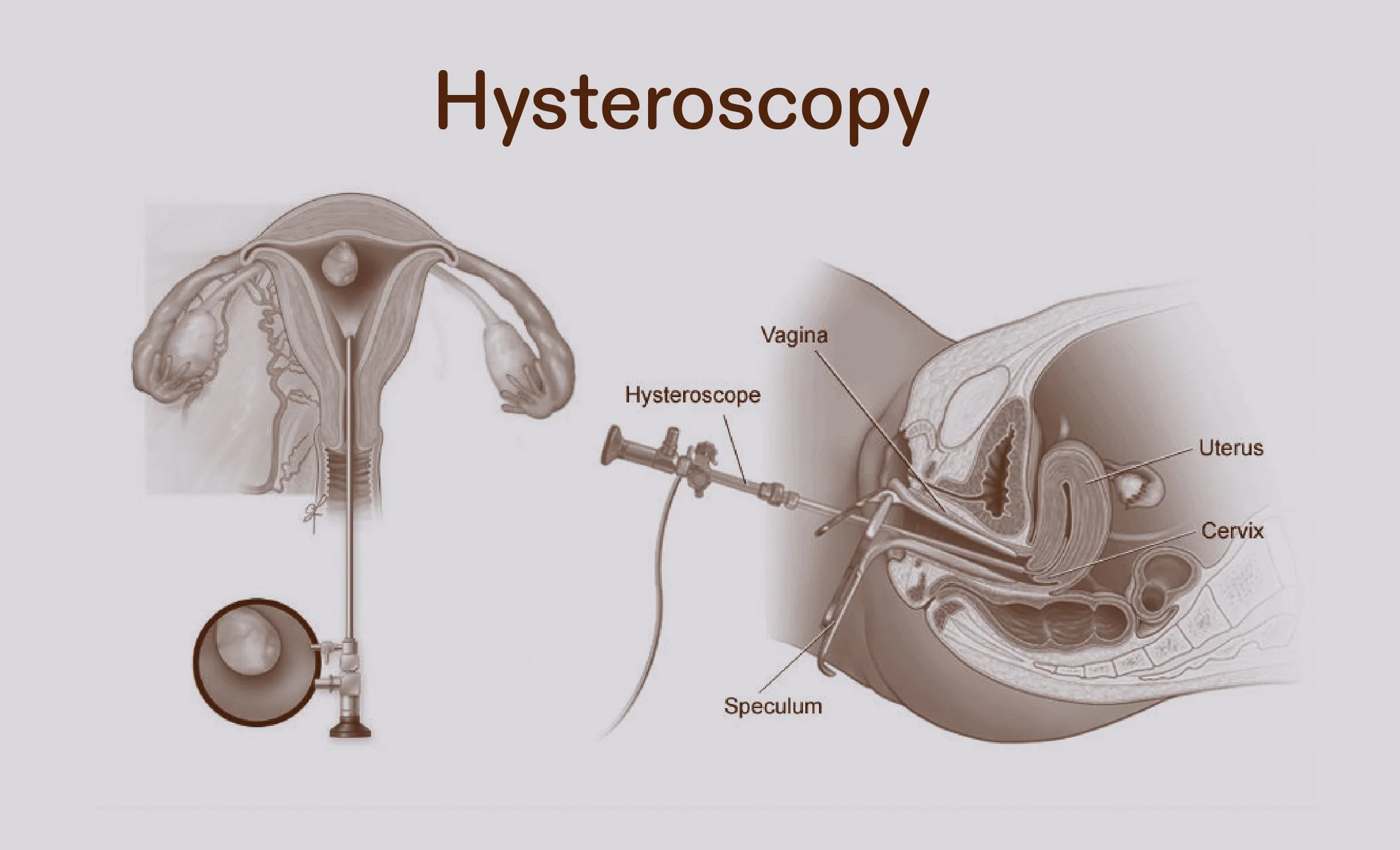
Hysteroscopy is a minimally invasive procedure that allows a specialist to look inside the uterus (womb) using a thin, flexible camera called a hysteroscope. This procedure helps diagnose and treat problems within the uterine cavity, such as fibroids, polyps, adhesions, or abnormal bleeding.
The hysteroscope is inserted through the vagina and cervix, so no abdominal incisions are needed.
What is a Laparoscopy?
2
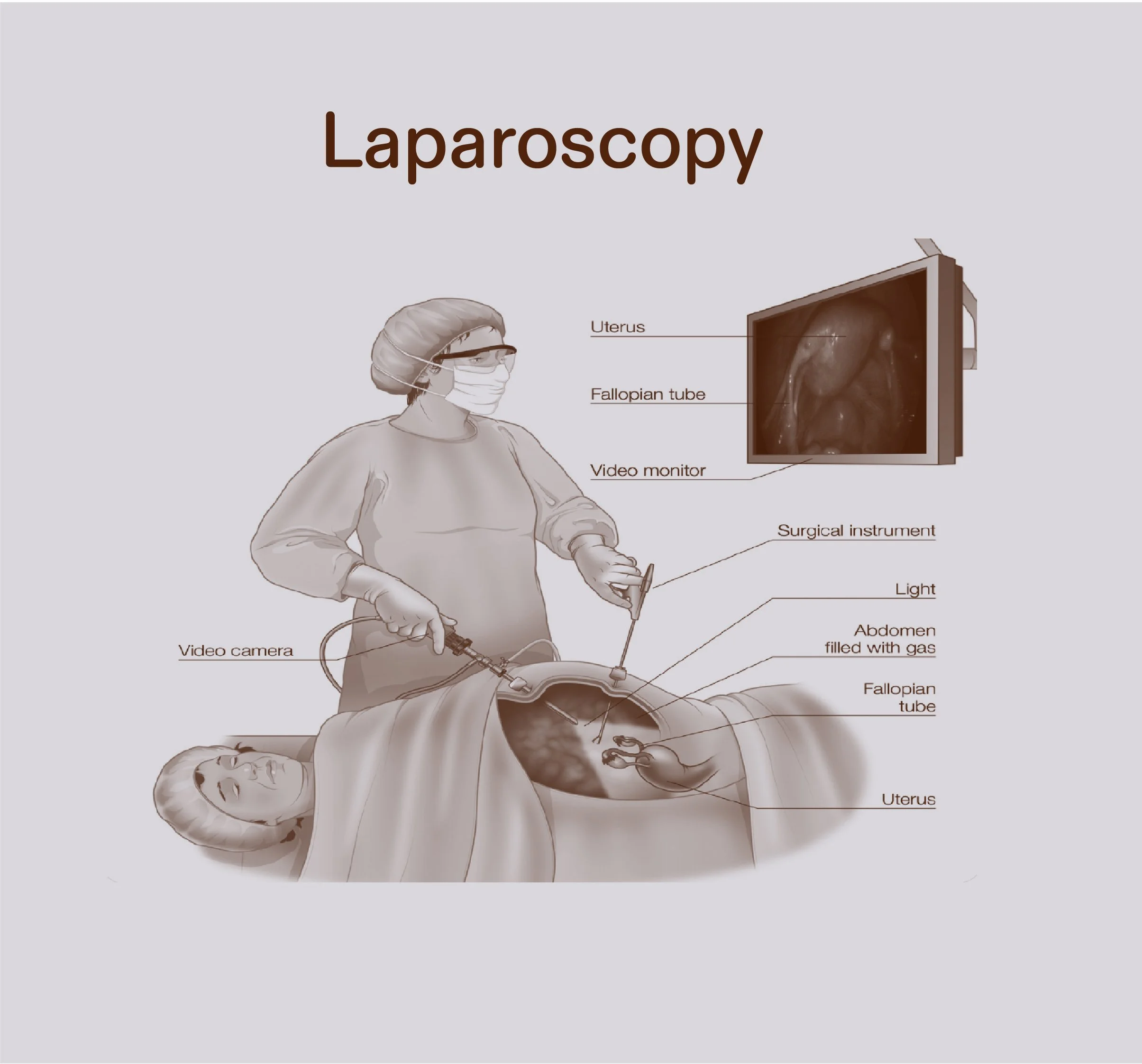
Laparoscopy is a minimally invasive surgical technique that allows a specialist gynaecologist to operate inside the abdomen using a small camera and specialised instruments. It is commonly used for removing fibroids (myomectomy), performing hysterectomies, and treating other pelvic conditions while minimizing recovery time.
Unlike traditional open surgery, laparoscopy requires only small incisions—usually less than 1–2 cm—through which a camera and instruments are inserted.
What is a Myomectomy?
3
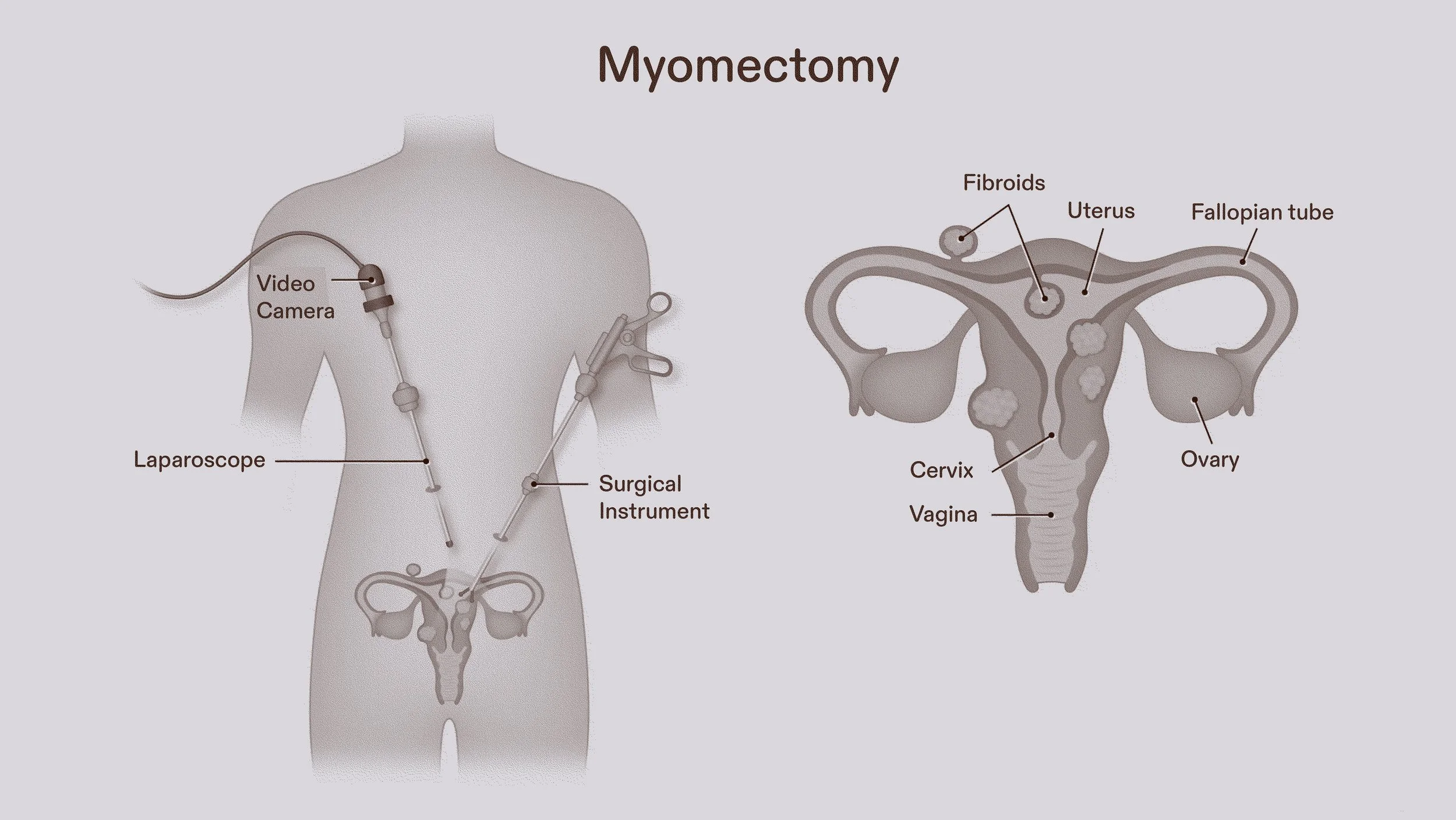
A laparoscopic myomectomy is a minimally invasive surgical procedure to remove fibroids from the uterus while preserving the uterus and fertility.
Unlike traditional open surgery, it uses small abdominal incisions (typically 0.5–1 cm) and a camera-equipped laparoscope, allowing the surgeon to see inside the abdomen and operate with precision.
Why laparoscopic myomectomy is used
Laparoscopic myomectomy is recommended for women who:
Have intramural or subserosal fibroids (within or on the outer wall of the uterus)
Are experiencing symptoms such as heavy bleeding, pain, or pelvic pressure
Wish to preserve fertility and conceive naturally or via IVF
Fibroids that distort the uterine cavity may also be removed laparoscopically if they are not suitable for hysteroscopic removal.
What is Hysterectomy?
4
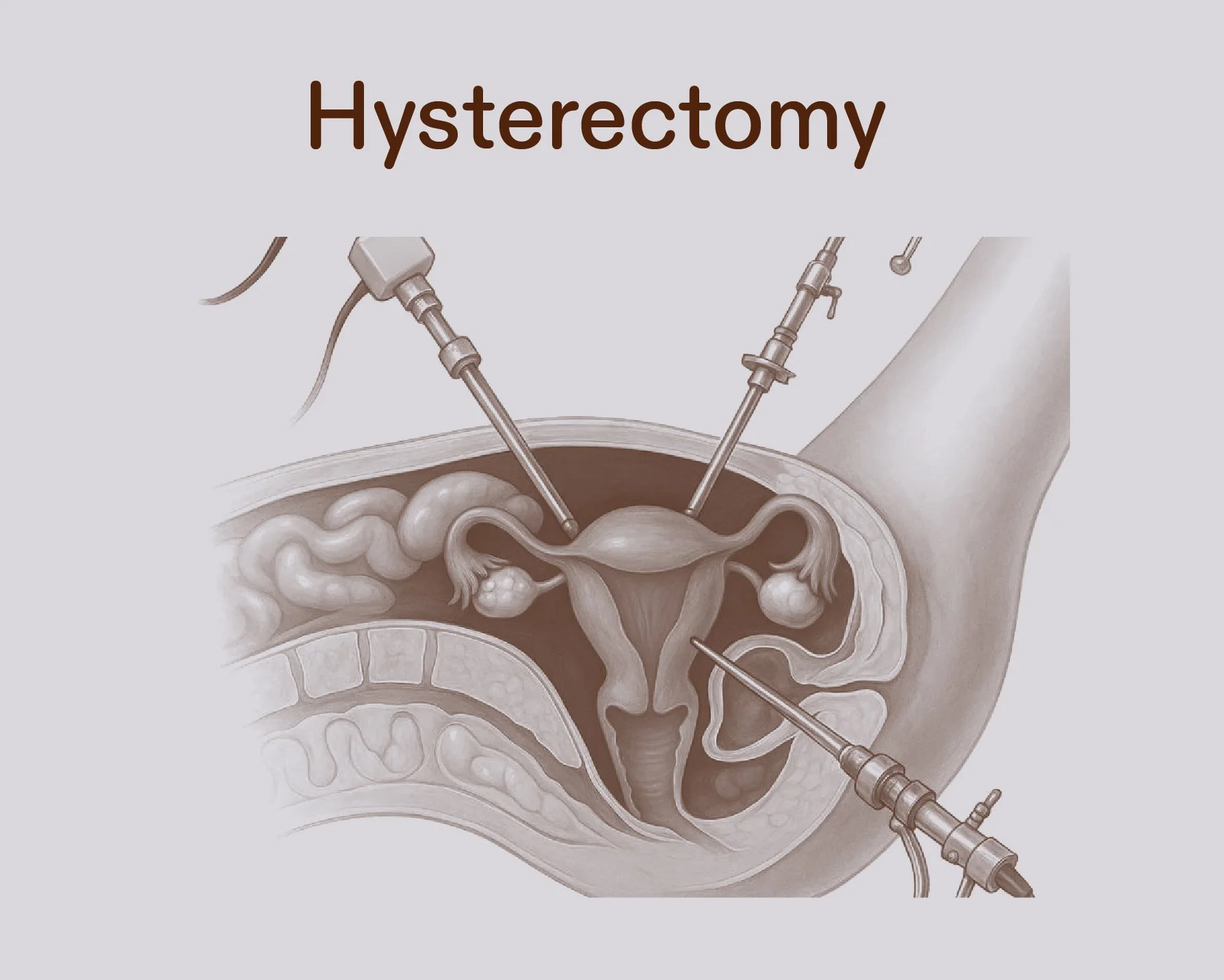
A hysterectomy is a surgical procedure to remove the uterus (womb). It is a definitive treatment for uterine fibroids, meaning that once the uterus is removed, fibroids cannot recur. It is uncommon to need to remove ovaries during a hysterectomy for fibroids.
Hysterectomy can be performed using different techniques, including:
Minimally invasive laparoscopic hysterectomy – small abdominal incisions
Open abdominal hysterectomy – larger abdominal incision, usually reserved for very large or complex fibroids
At the Auckland Fibroid Clinic minimally -invasive (laparoscopic) hysterectomy is preferred when surgery is indicated, as it typically allows shorter hospital stay, faster recovery, and less post-operative pain than traditional open surgery.
What is Embolisation?
5
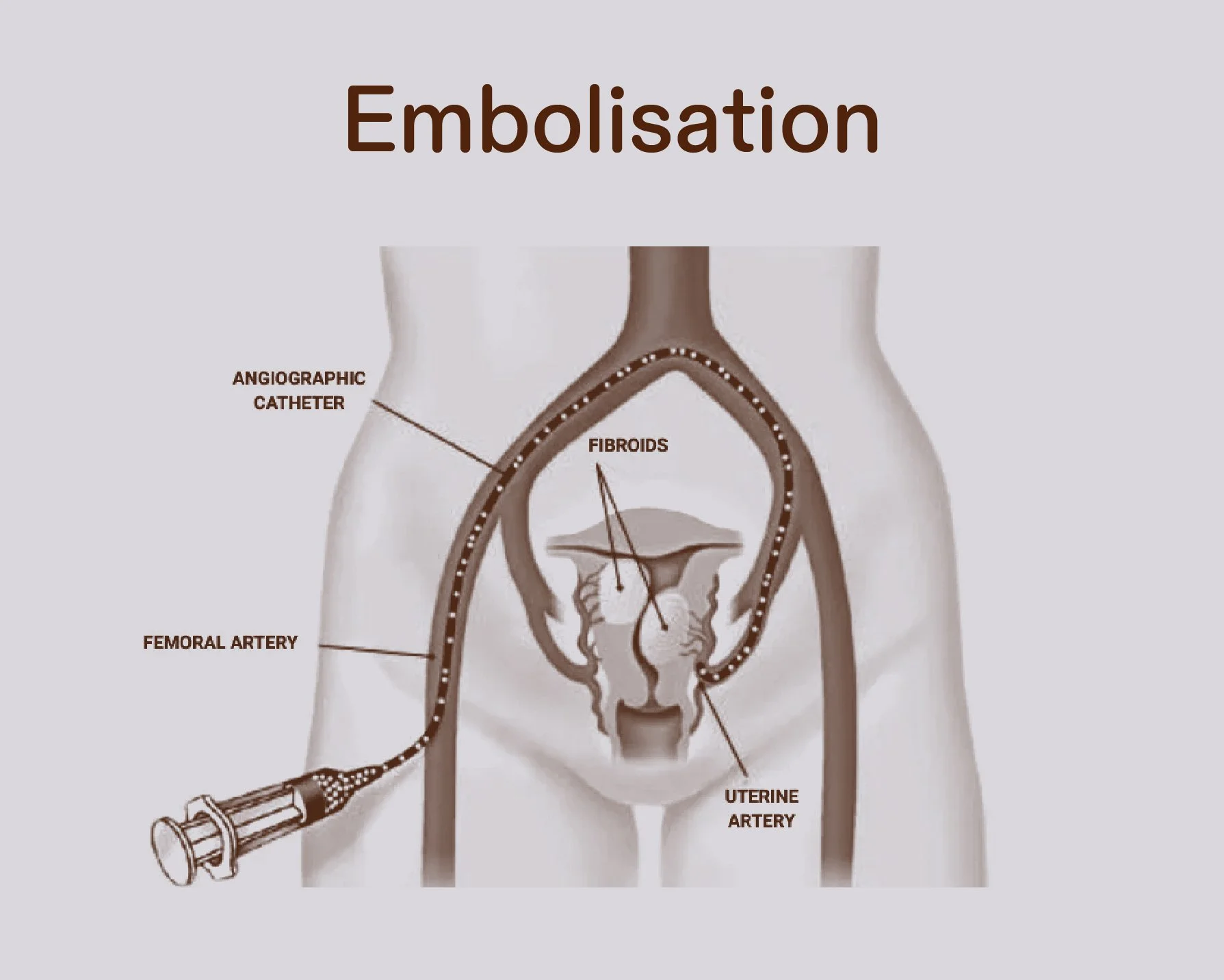
Uterine artery embolisation (UAE) is a minimally invasive procedure performed by an interventional radiologist to reduce fibroid size and symptoms.
During the procedure, tiny particles are injected into the blood vessels supplying the fibroids, which blocks their blood flow. This causes the fibroids to shrink over several weeks to months.
No surgical incision in the abdomen is required, and the procedure is usually done under local anaesthesia with sedation.
Why UAE may be considered
UAE may be suitable for women who:
Have significant fibroid-related symptoms such as heavy menstrual bleeding or pelvic pressure
Prefer a non-surgical approach or are not suitable candidates for surgery due to medical reasons
Have completed childbearing, as fertility after UAE may be affected
Do Fibroids always need surgery?
6
No. Not all fibroids require surgery. Many women have fibroids that are small, asymptomatic, or cause only mild symptoms, and these can often be safely monitored without an operation.
How it is decided whether surgery is needed
The decision depends on several factors:
Symptoms
Surgery is usually considered if fibroids cause heavy menstrual bleeding, pain, pressure, or bladder/bowel symptoms.
Fibroids that do not cause problems may not require any intervention.
Size, number, and location of fibroids
Submucosal fibroids (growing into the uterine cavity) are more likely to require treatment, especially if affecting fertility or causing bleeding.
Large or multiple fibroids that distort the uterus may be better treated surgically.
Fertility goals
Women planning pregnancy may require removal of fibroids that affect implantation or increase miscarriage risk.
Fertility-preserving surgery can be tailored to remove problematic fibroids while keeping the uterus intact.
Can Fibroids cause bloating and weight gain?
7
Yes. Fibroids can sometimes cause abdominal bloating or a feeling of fullness, and in some cases, an increase in abdominal girth may be noticeable. However, fibroids themselves do not cause general weight gain.
How fibroids cause bloating
Size and location: Large fibroids, or multiple fibroids, can occupy space in the abdomen, creating a visible or palpable bulge.
Pressure effects: Fibroids pressing on the stomach, bladder, or bowel can make you feel full, bloated, or uncomfortable.
Fluid retention: Rarely, fibroids may contribute to temporary abdominal distension due to pressure on surrounding tissues.
Best Treatments for Fibroids if you want children?
9
For women who wish to conceive in the future, the main goal of fibroid treatment is to remove fibroids that may interfere with fertility or pregnancy while preserving the uterus and its function.
Which fibroids are most important to treat before trying to conceive?
Submucosal fibroids – grow into the uterine cavity and are strongly linked to:
Reduced implantation rates
Increased risk of miscarriage
Large intramural fibroids – within the uterine wall; may affect fertility if they distort the cavity or reduce blood flow
Fibroids blocking the fallopian tubes – can prevent sperm or embryos from reaching the uterus
Fibroids on the outer surface of the uterus (subserosal) usually do not affect fertility and may not require removal.
Fertility-preserving treatment options
Hysteroscopic myomectomy
Ideal for submucosal fibroids
Performed through the vagina and cervix with no abdominal incisions
Quick recovery, uterus preserved, fertility largely unaffected
Laparoscopic myomectomy
Suitable for intramural or subserosal fibroids
Minimally invasive abdominal surgery
Removes problematic fibroids while preserving the uterus
Shorter recovery compared with open surgery
Uterine artery Embolisation
Newer research is showing that this can be undertaken for patients wishing to still have children
Benefits include shorter recovery time prior to conceiving
Can Fibroids be cancerous?
10
Fibroids are almost always benign (non-cancerous). The risk of a fibroid being cancerous is very low. There can be rare exceptions, particularly in patients over 50 years old with fibroids or patients with rapidly growing fibroids.